Behind the Drywall
Why Your Insulation Installer’s Credentials Matter More Than You Think
When you decide to upgrade your home’s insulation, it’s easy to get caught up in comparing R-values (thermal resistance) and material costs. But there is a massive factor that homeowners often overlook: who is actually spraying or stuffing that material into your walls?
Insulation is not a simple DIY weekend project; it is a complex application of building science. If it’s done wrong, you won’t just lose money on your energy bills—you could end up with structural moisture damage or poor indoor air quality.
Before you sign a contract, you need to ask a critical question: Is your insulation installer certified and fully trained? Here is why their credentials make or break your project.

The Invisible Stakes of Spray Foam Installation
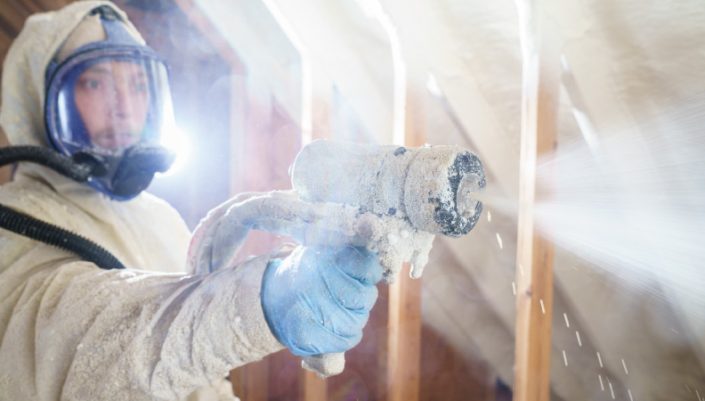
Spray polyurethane foam (SPF) is a phenomenal insulation choice. It expands rapidly to fill microscopic gaps, providing a superior air barrier and thermal seal. However, spray foam is essentially a chemical reaction created right inside your house.
Unlike fiberglass batts, which arrive pre-fabricated, spray foam is manufactured on-site by the installer. This brings a unique set of challenges that only a knowledgeable technician can navigate:
- The Perfect Chemistry Ratio: Spray foam relies on a precise 1:1 mix of two primary chemical components (“A-side” and “B-side”). If the equipment isn’t calibrated perfectly, the foam can become “off-ratio,” preventing it from curing properly and creating a persistent, unpleasant chemical odor.
- Temperature Restrictions: The chemical components must be conditioned within strict temperature ranges (usually between 70°F and 80°F) before and during application. If the ambient air or the wall substrate is too cold, the foam won’t adhere properly, leading to hidden gaps and structural vulnerabilities.
- Application Thickness: Spraying too thick in a single pass can cause heat to trap within the foam during its exothermic (heat-releasing) curing process. In worst-case scenarios, this can degrade the foam’s integrity or even pose a fire hazard.
Look for the Gold Standards in Certification
To avoid these installation nightmares, you shouldn’t just hire a general contractor with a spray gun. You need professionals who carry elite, manufacturer-backed credentials. Two specific designations stand head and shoulders above the rest:
- Natural Polymers™ Certified Installer
Natural Polymers (an Owens Corning company) produces some of the most innovative, low-VOC, high-yield spray foam systems on the market, such as their Natural-Therm® series.
When an installer is a Natural Polymers Certified Installer, it means they don’t just buy the product—they have been rigorously trained by the chemical engineers who created it. These crews undergo extensive training in advanced building science, OSHA safety protocols, and the specific mechanics of the proportioning equipment. They are evaluated to ensure Grade 1 Installation Quality (the absolute highest industry standard).
Certified Spray Foam Equipment
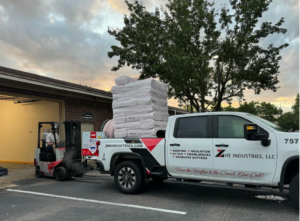
Zhe Industries certified Natural Polymers Spray Foam installers use the Ultra-Pure Spray Foam & Accurate Dynamics proportioner with ACE conformance systems, helping deliver on-ratio application with certificate-backed quality verification. You’ll have peace of mind, knowing your spray foam was manufactured on site to the highest standards achievable.
Owens Corning® Certified Energy Expert® (CEE)
This is the top tier of insulation contractors. To earn the Certified Energy Expert designation, a company must pass strict background checks, maintain spotless business standings, and undergo exhaustive, ongoing building science training directly from Owens Corning.
A CEE professional doesn’t just install insulation; they understand how air, moisture, and thermal barriers interact within your home’s unique footprint.
The Major Perk for Homeowners: Choosing a Certified Energy Expert gives you an industry-exclusive advantage. Owens Corning actually stands behind the contractor’s work by offering a limited lifetime warranty on qualifying products and workmanship* — a warranty that’s unmatched in the industry. All CEE projects are backed by a manufacturing powerhouse.
Questions to Ask Before Hiring
When interviewing insulation companies, don’t be shy about digging into their credentials. Ask them directly:
- Are your crew members individually certified to install this specific brand of insulation/spray foam?
- Do you have a Certified Energy Expert designation that provides a manufacturer-backed workmanship warranty?
- What specific steps do you take to monitor chemical ratios and temperatures during a spray foam application? OR How do you guarantee R-Value for fiberglass or blown insulation?
Bottom Line
The Bottom Line: High-quality insulation materials like Natural Polymers spray foam are an investment in your home’s comfort and long-term value. Don’t risk that investment by letting an untrained hand pull the trigger. Look for certified expertise, get the warranty peace of mind, and ensure the job is done right the first time.
*See actual warranty for complete details, limitations and requirements. For the lifetime of the home beginning from date of installation by an Owens Corning® Certified Energy Expert®.