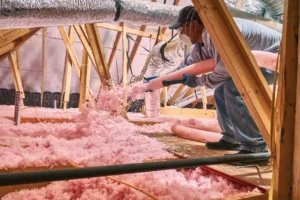
As the temperatures in Hampton Roads begin to drop, many homeowners are faced with an unwelcome chill. You’re not alone if you’ve noticed that your walls or floors are colder than usual. Understanding the reasons behind this can help you address the issue and improve your home’s comfort and energy efficiency.
Common Causes of Cold Walls and Floors
Inadequate Insulation: Insufficient Insulation is one of the primary reasons for cold wall Insulation. Without proper Insulation, your home loses heat, making surfaces feel cold. This affects your comfort and increases your energy bills as your heating system works harder to maintain a comfortable temperature.
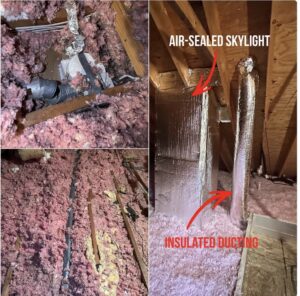
Air Leaks: Gaps and cracks in your home’s structure can allow cold air to infiltrate, leading to cold spots. These leaks are often found around windows, doors, electrical outlets, and attic or basement.
Moisture Issues: Moisture can also contribute to cold walls and floors. Due to poor ventilation or leaks, wall damage can lead to more excellent surfaces and further heat loss.
Old or Deteriorated Insulation: Insulation can settle or deteriorate over time, reducing effectiveness. However, upgrading to new, high-quality Insulation can restore your home’s comfort and energy efficiency, giving you hope for a warmer future.
Homeowners: Here's What You Can Do
- Evaluate Your Insulation: Consider having your Insulation assessed by a professional. A Certified Energy Expert® like those at Zhe Industries can significantly reduce heat loss and help maintain a consistent indoor temperature. They are trained to identify insulation issues and recommend the best solutions, ensuring your home is insulated to the highest standards.
- Seal Air Leaks: Conduct a thorough inspection of your home for air leaks. Sealing gaps with weatherstripping or caulk can prevent cold and warm air from escaping.
- Address Moisture Problems: Ensure that your home is well-ventilated and check for any signs of leaks or moisture damage. Proactively repairing these issues can improve comfort and air quality, giving you control over your home’s environment.
Choosing the right insulation contractor is crucial for effectively addressing cold walls and floors. Here are some essential questions to ask potential contractors.
At Zhe Industries, we’re committed to helping homeowners in Hampton Roads achieve a comfortable and energy-efficient home. If you’re experiencing cold walls or floors, contact us today to discuss the best insulation solutions for your home. Let us help you keep the warmth inside where it belongs.
Cold Floors Over a Crawl Space
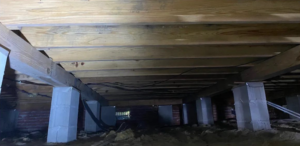
If the coldest floors in your home are on the first level, the cause is usually right underneath. Here’s what we find most often in Hampton Roads crawl spaces:
- Fallen or missing batts. Insulation between the floor joists sags over time, especially when it wasn’t supported properly. A gap between the batt and the subfloor lets cold air flow right under your feet.
- An unsealed rim joist. The band of framing around the edge of the crawl space is a major air leak. Closed-cell Natural Polymers™ spray foam seals and insulates it in one step.
- A missing or torn vapor barrier. Moist ground air makes the space feel colder and damper, and wet insulation loses its effectiveness.
- Uninsulated ducts and pipes running through the crawl space.
Cold walls have a different source: usually empty or settled wall cavities, or air leaking in around outlets and windows. A dense-pack system like PROPINK® Complete fills closed walls without tearing them open.
More on floors in Why Is My First Floor Always Cold?