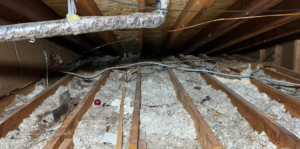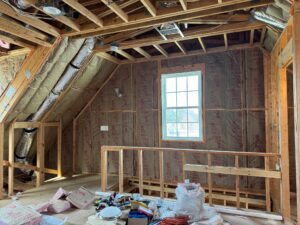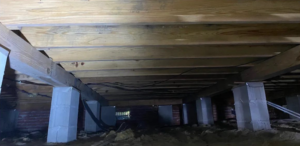

If you’ve ever looked under your house, you know a crawl space can be dark, damp, and easy to ignore. In Hampton Roads, that dampness matters. Moisture coming off the ground can wet the insulation, make floors feel cold, feed musty odors, and make your HVAC work harder.
The work that protects most crawl spaces is straightforward: insulation, and a vapor barrier installed to city code. This post explains what those two pieces do, why they belong together, and what Zhe Industries installs when we work in a crawl space.
Why a Damp Crawl Space Is a Problem
A crawl space sits between the soil and the floor of your home. When the ground stays damp, water vapor rises into that space. In a coastal climate, outside humidity adds to it. The result is often:
- Musty odors that move into the rooms above
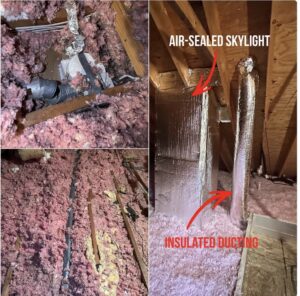
- Insulation that is wet, sagging, or falling down
- Cold floors in winter
- A higher chance of mold on wood, and of pests that like damp areas
- HVAC that has to work harder because the floor system is leaking air and losing heat
You don’t have to live with that as “just how crawl spaces are.” The goal is a cleaner, drier, better-insulated space under the house, installed to what your city requires.
What a Crawl Space Vapor Barrier Does
A vapor barrier is a heavy-duty liner, typically installed over the crawl space ground. It slows water vapor from the soil from moving up into the space, so the air and the framing stay drier, and the insulation can actually do its job.
We install vapor barriers to city code. The product and the way it is detailed, including seams and edges, have to meet what your locality expects, and we’ll walk through that on the inspection. You can see how we approach this work on our vapor barrier solutions page.
A vapor barrier is not a fix for standing water or a drainage problem. If water is ponding under the house, that has to be addressed first. The barrier is there to control vapor from the soil once the space can be kept reasonably dry.
What Crawl Space Insulation Does
Insulation in the crawl space slows heat flow through the floor, so rooms stay more even and you’re not paying to heat or cool the outdoors. It also works better when the space is dry and when air leaks around the rim, penetrations, and access are sealed.
If the existing insulation is wet, loose, or hanging down, it is not doing much. In those cases, the right sequence is to deal with the moisture, then install new insulation that can stay in place and stay dry.
Learn more on our crawl space insulation services page. For a broader look at humidity under the house, see Your Crawl Space Humidity Specialists.
Installed to City Code
“To city code” means the insulation and vapor barrier are installed to the requirements that apply in your city, not to a generic one-size-fits-all sketch. Coverage, seams, fastening, and insulation details can vary by locality and by the way the house was built. We inspect the crawl space first, explain what your house needs, and install the work to those requirements.
We don’t quote code section numbers in this post, because the official who enforces the code in your city has the final say. If something about your house is unusual, we’ll tell you that before the work starts.
What Zhe Industries Does in a Crawl Space
Zhe Industries is an insulation contractor. In the crawl space, our crew:
- Inspects the space for moisture, damaged insulation, and air leaks
- Installs a vapor barrier to city code
- Installs crawl space insulation to city code
- Adds targeted air sealing where it will actually help
If the space has conditions we don’t treat, we’ll say so on the inspection rather than sell you work that won’t solve the problem.
Frequently Asked Questions
What is a crawl space vapor barrier? A vapor barrier is a heavy-duty liner installed over the crawl space ground to slow water vapor rising from the soil. Installed to city code, it helps keep the space drier so insulation can perform and the floor system stays in better shape. See our vapor barrier solutions page.
Does crawl space insulation help with cold floors and energy bills? Yes. Insulation slows heat flow through the floor, which can make rooms more comfortable and reduce the load on your HVAC. It works best when the crawl space is reasonably dry and the vapor barrier and air sealing are in place. See our crawl space insulation services page.
What does “installed to city code” mean? It means we install the vapor barrier and insulation to the requirements that apply in your city, and we explain those details during the inspection. Local officials enforce the code and have the final say on how it applies to your home.
Is this the same as crawl space encapsulation? No. Encapsulation is a more extensive approach that typically seals the entire crawl space as its own conditioned or semi-conditioned area. Zhe Industries installs crawl space insulation and a vapor barrier to city code. That is the crawl space work we perform.
When should I have my crawl space inspected? If you notice musty odors, cold floors, sagging or missing insulation, damp wood, or pest activity under the house, it’s time for an inspection. Even without obvious symptoms, a crawl space that hasn’t been looked at in years is worth checking, especially in Hampton Roads humidity.
Ready for a Drier, More Comfortable Home?
If your floors run cold, your crawl space looks damp, or the insulation under the house is falling down, start with an inspection, not a product dumped on a wet problem. The experts at Zhe Industries will look at the moisture, the vapor barrier, the insulation, and the air leaks, and we’ll tell you what the house actually needs.
Zhe Industries is Licensed Beyond Insulation™ and an Owens Corning® Certified Energy Expert®. As a Class A Contractor, we specialize in creating comfortable, energy-efficient homes throughout Hampton Roads, including Virginia Beach, Norfolk, Chesapeake, and Williamsburg. Contact us for a free estimate on crawl space insulation or a vapor barrier installed to city code.